From the origins to the epic of Alesia
-6a719b625ec69.jpg)
As early as the Neolithic period, the first inhabitants sought refuge in rock shelters—silent witnesses to a very ancient human presence. By the Iron Age, the site had become a place of remembrance featuring burial sites, thereby imbuing the territory with a sacred dimension.
History took a decisive turn in 52 BC, when Julius Caesar chose the heights of Flavigny to establish his camps and headquarters during the famous Siege of Alesia. Nearby, Vercingetorix put up a fierce resistance, giving the region one of the most significant episodes in French history.
During the Gallo-Roman era, Flavigny became "Flaviniacum," the estate of a Roman landowner named Flavinius. Villas and a *castrum* (fortified settlement) shaped the landscape of the time—traces of which still define the village's identity today.
The Age of Abbeys and Turmoil
-6a719bc9a8a0f.jpg)
In the 8th century, a new chapter began with the founding of the Benedictine Abbey of Saint-Pierre by the Burgundian lord Widerad. This major spiritual center quickly attracted pilgrims and scholars. In 866, amidst the Viking invasions, the precious relics of Saint Regina were brought there for safekeeping.
Over the centuries, Flavigny weathered the upheavals of history:
- 1359: During the Hundred Years' War, the town was occupied by the English.
- Mid-15th century: Founding of the "Société des Messieurs de Saint-Genest," a confraternity bringing together Flavigny’s notables who sought to break free from the temporal authority of the Abbot-Lord.
- 1589–1592: During the Wars of Religion, Flavigny became the seat of the loyalist Parliament of Burgundy.
- 1632: Founding of an Ursuline convent.
A prosperous artisan community
-6a719c5dda727.jpg)
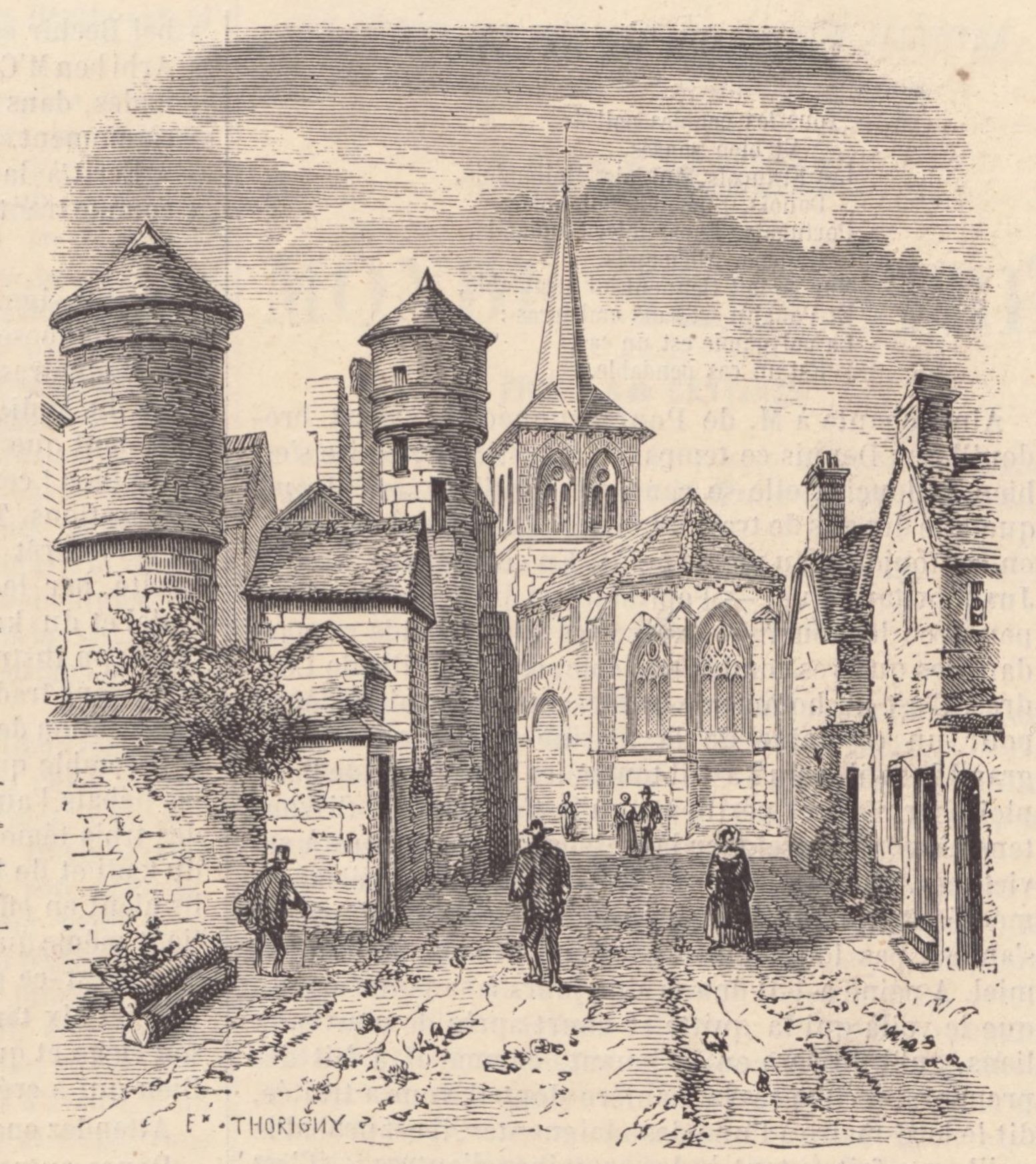
In 1784, a parish record lists a population of 1,311 in Flavigny, engaged in a wide variety of trades: tanners, oil producers, millers, pewterers, stonemasons, glassmakers, weavers, tailors, notaries, lawyers, farmers, winegrowers, clergy, and so on.
In the 19th century, Flavigny—the seat of the canton—flourished as a prosperous wine-producing town surrounded by 380 hectares of vineyards, with the farming community based within the town walls; it later modernized with the early introduction of running water in 1864. In 1848, a new religious establishment was founded: the Dominican novitiate, established by Father Lacordaire.
A living heritage to preserve
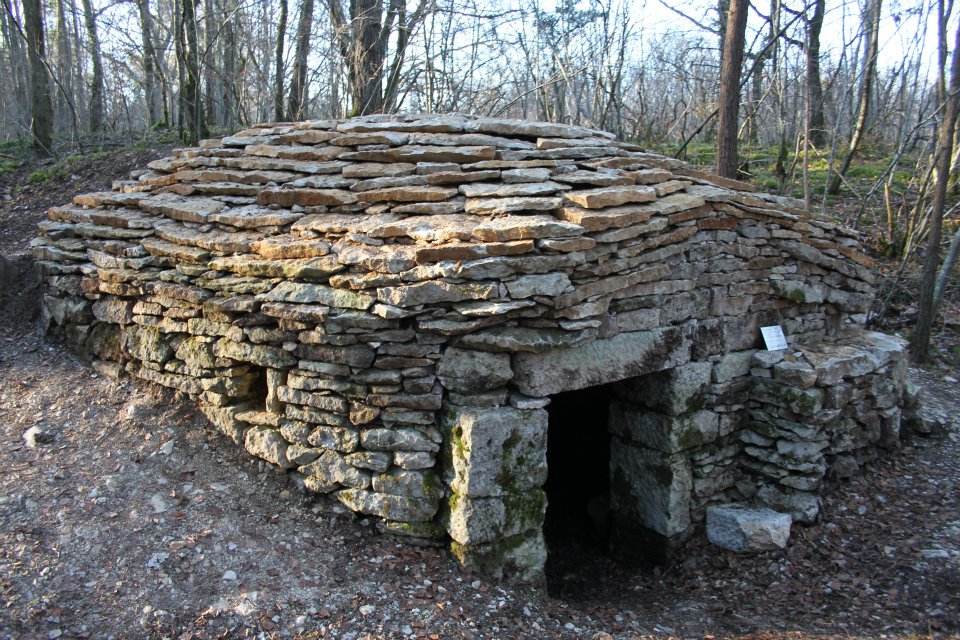
In the 20th century, the town and its surroundings were added to the Inventory of Protected Sites, following the earlier listing of several of its buildings as historical monuments—some as early as 1838—by Prosper Mérimée himself.
Strolling through Flavigny means traversing over 5,000 years of history in just a few steps—a blend of heritage, nature, and living memory. It is a place where the past is not merely recounted... it is experienced in the present!

 03 80 96 21 73